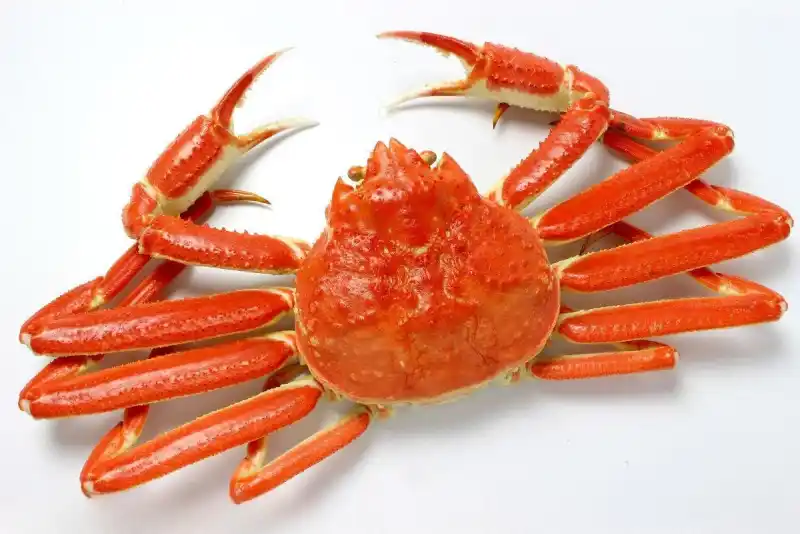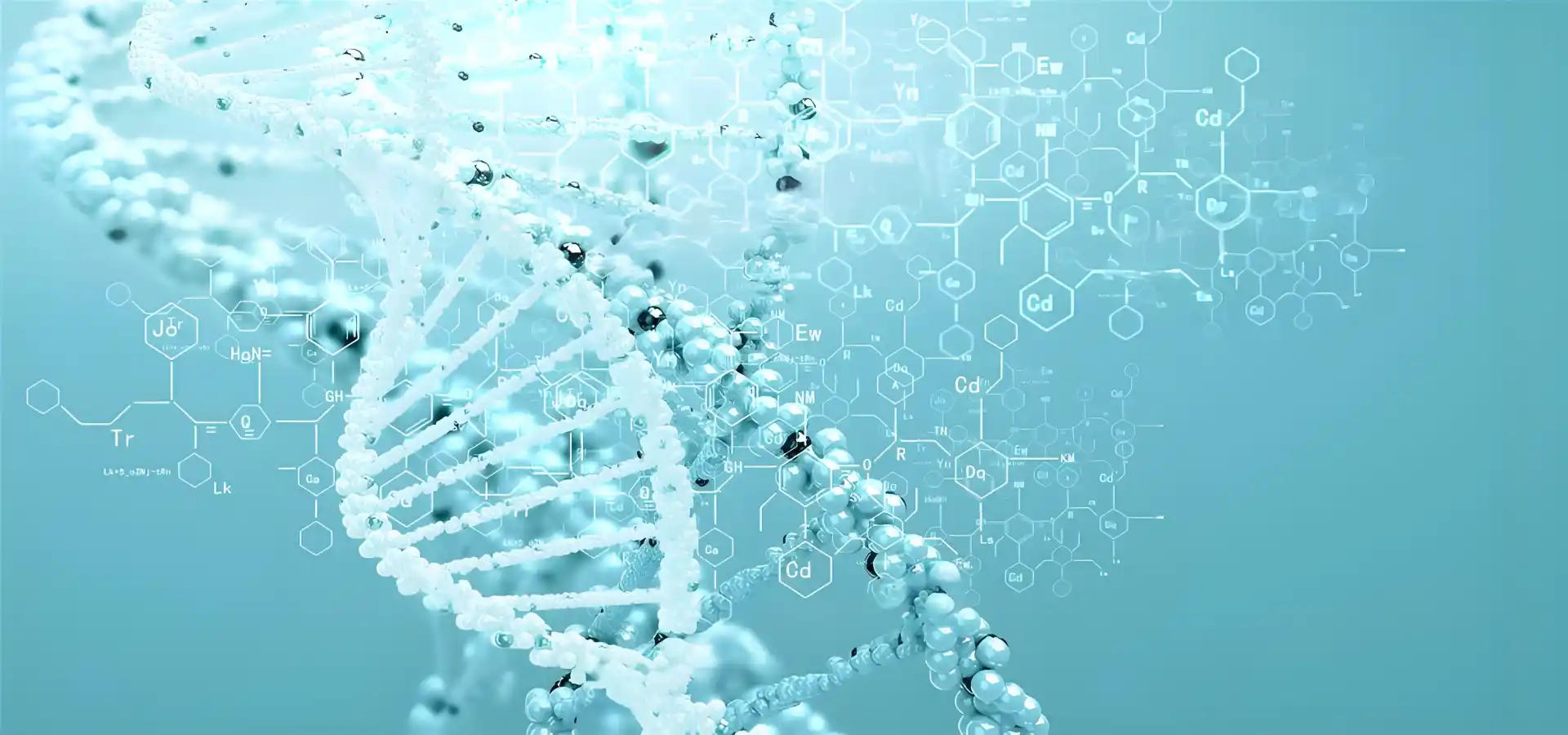
Chitosan, a natural polymeric polysaccharide, is widely found in the exoskeletons of crustaceans and the cell walls of fungi. The amino and hydroxyl groups in its molecular structure endow it with unique antibacterial activity. Derivatives prepared through chemical modification, while retaining the advantage of biocompatibility, have significantly expanded application scenarios and antibacterial spectra, with related research showing a multi-dimensional development trend in recent years.
Material properties directly affect antibacterial efficacy. The solubility of chitosan is closely related to the pH environment, and it only shows good water solubility under acidic conditions, which limits its application range. When the degree of deacetylation exceeds 80%, the positive charge density on the material surface increases significantly, enhancing the electrostatic adsorption with microbial cell membranes. Chitosan oligosaccharides with a molecular weight in the range of 5-50 kDa have outstanding ability to penetrate cell walls, and the diameter of the inhibition zone against Staphylococcus aureus can reach 18 mm (at 1% concentration).
Chemical modification strategies focus on charge enhancement and functional expansion. Quaternized chitosan, by introducing long-chain alkyl groups, increases the density of quaternary ammonium groups to 2.5 mmol/g, reducing the minimum inhibitory concentration (MIC) against Escherichia coli to 0.05 mg/mL. Carboxymethylation modification breaks through the solubility limit, increasing solubility by 85% under neutral conditions and improving the inhibition rate against Candida albicans to 96%. In terms of metal complexes, when the particle size of nano-silver in chitosan-silver complexes is controlled at 15-25 nm, the antibacterial activity is increased by 3 times and the cytotoxicity is reduced.
Tianya Chemical is the leading chitosan manufacturer and supplier in China, offers a range of chitosan products optimized for antibacterial applications across industries, with strict quality control ensuring consistency in key properties like deacetylation degree and molecular weight.
Studies on antibacterial mechanisms reveal multi-target action characteristics. The electrostatic interaction between positive charges and the phospholipid bilayer of microbial cell membranes leads to membrane potential disorder, and transmission electron microscopy observes obvious plasmolysis in treated bacteria. After chitosan molecules penetrate into cells, they bind to DNA to inhibit the replication process, and fluorescent labeling experiments show that gene expression can be blocked within 30 minutes. Some derivatives activate the reactive oxygen species (ROS) generation pathway, and flow cytometry detects that the ROS level in the treated group is 6.8 times higher than that in the control group.
Environmental factors have a significant impact. The killing rate of chitosan against Salmonella at pH 5.0 is 40% higher than that at pH 7.4, which is directly related to the increase in the proportion of protonated amino groups. Temperatures exceeding 60°C will accelerate molecular chain rupture, and the antibacterial activity decreases by 28% after treatment at 80°C for 2 hours. The presence of metal ions forms competitive adsorption, and 1 mM concentration of Ca²⁺ can reduce the antibacterial effect by 15%.
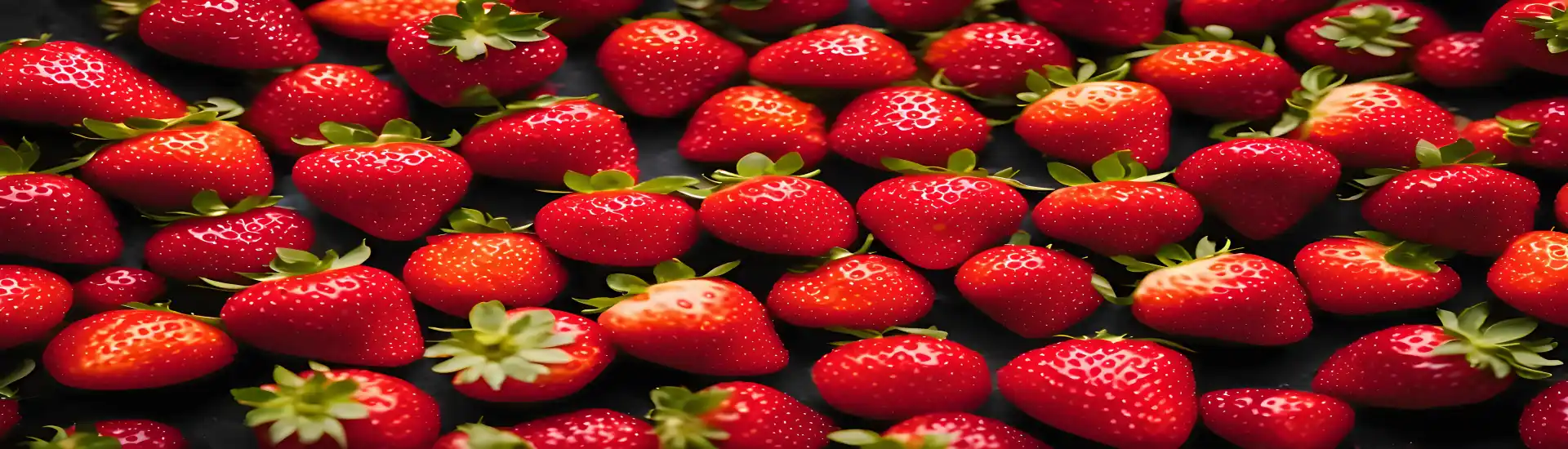
Practical applications show field differentiation characteristics. In the field of food preservation, 2% chitosan coating reduces the corruption rate of strawberries by 60% and extends the shelf life by 5 days. In terms of medical dressings, hydrogels loaded with 0.5% chitosan quaternary ammonium salt can reduce the infection rate of burn wounds by 75%. In textile industry applications, cotton fabrics treated with chitosan-citric acid cross-linking still maintain 85% antibacterial rate after 50 washings. In the agricultural field, treatment of wheat seeds with nano-chitosan suspension reduces the incidence of Fusarium head blight by 42%.
Existing challenges focus on the balance between action persistence and broad-spectrum activity. The antibacterial efficiency of most modified products decays significantly in complex organic environments, and the MIC value of some derivatives increases by 10 times in the presence of serum proteins. The difference in inhibitory effect between Gram-positive and negative bacteria reaches 2 orders of magnitude, and drug-resistant strains such as Pseudomonas aeruginosa require higher treatment concentrations. Industrial production faces the problem of residual modification reagents, and the cytotoxicity index of some quaternized products exceeds the medical standard by 3 times.
Future research may focus on the precision of molecular design. Computer-aided structure-activity relationship models can already predict more than 80% of the antibacterial activity of derivatives, and machine learning algorithms have screened 12 potential high-efficiency structures. The chitosan synthase modified by genetic engineering technology has increased the molecular weight distribution concentration of the product by 40%. Progress has been made in the development of stimulus-responsive materials, and pH-sensitive chitosan microspheres can quickly release more than 90% of the loaded drug at the infection site. Biofilm penetration-enhancing derivatives have broken through the 60% bottleneck in the clearance rate of mature biofilms, providing a new solution for the treatment of chronic infections.