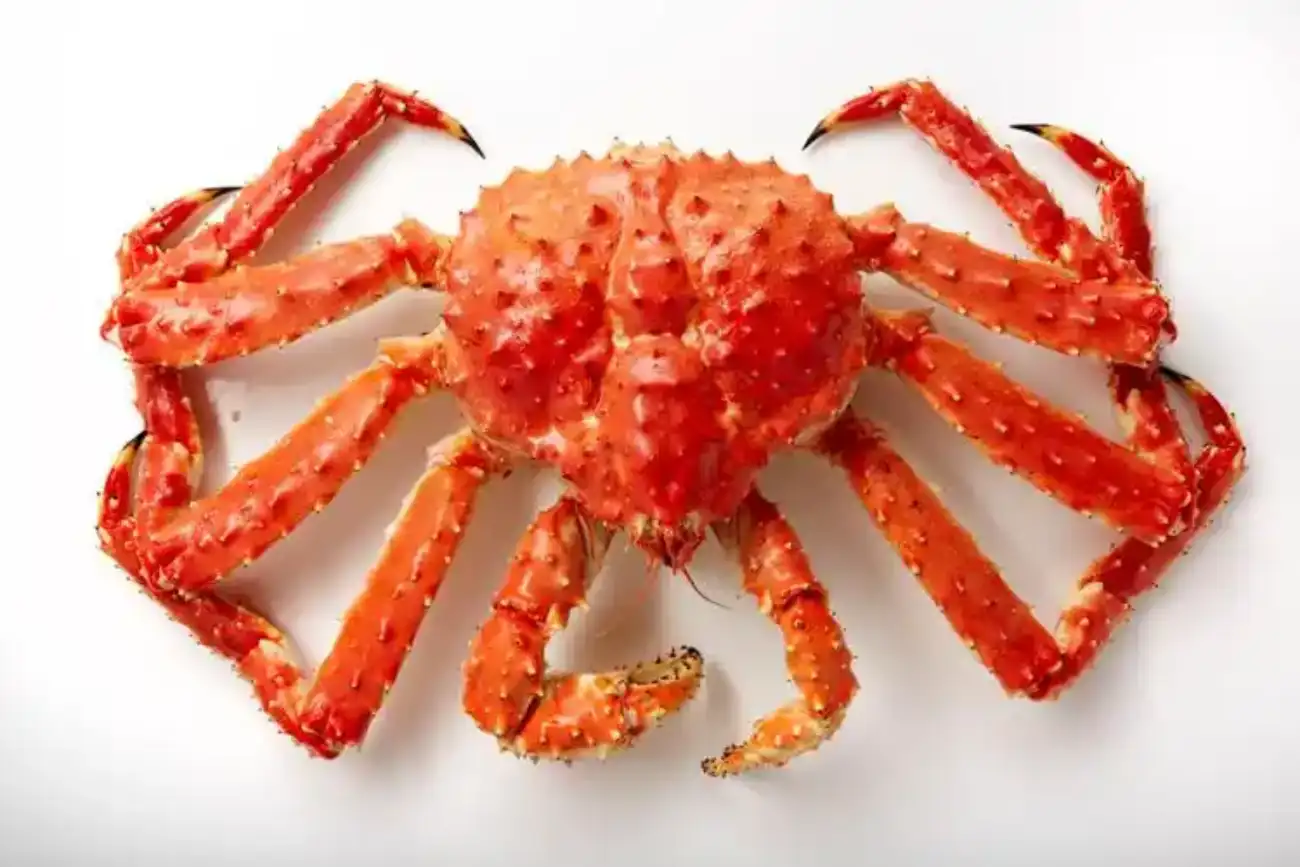
Chitosan oligosaccharides are derived from chitin in the shells of crustaceans, obtained through deacetylation and enzymatic hydrolysis. With low molecular weight, good water solubility, and high biological activity, their application in aquaculture has gradually become a research hotspot in recent years.
Adding chitosan oligosaccharides to aquatic feed can improve the growth performance of cultured organisms. After feeding white shrimp with feed containing 0.8% chitosan oligosaccharides for eight weeks, the weight gain rate increased by 12.3%, and the feed coefficient decreased by 9.8%. When 500mg/kg of chitosan oligosaccharides was added to the feed for juvenile tilapia, the intestinal villus height increased by 18%, and the digestive enzyme activity was significantly enhanced. Its mechanism of action involves improving the intestinal morphological structure, regulating the balance of intestinal flora, and promoting nutrient absorption.
The immunomodulatory function is the core value of chitosan oligosaccharides. After feeding Penaeus monodon with feed containing 0.5% chitosan oligosaccharides for four weeks, the total number of blood cells increased by 32%, and the phenoloxidase activity increased by 28%. Studies have found that chitosan oligosaccharides can activate the Toll-like receptor signaling pathway and up-regulate the expression of immune-related genes such as lysozyme and complement C3.
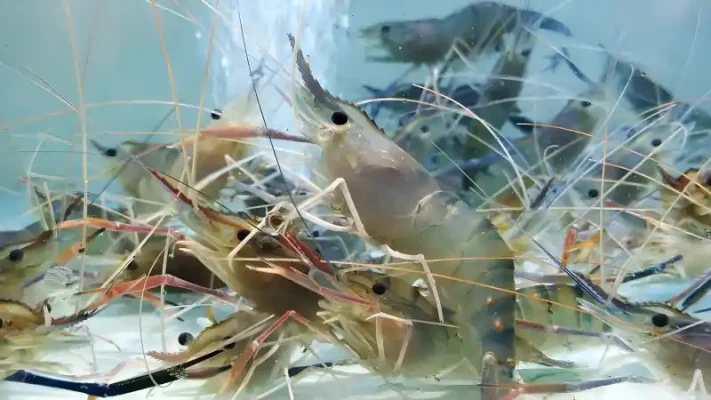
The antibacterial effect is prominent in the field of water quality management. The combined use of chitosan oligosaccharides and Bacillus subtilis can reduce the number of Vibrio in water by 2 orders of magnitude. Its antibacterial mechanism includes destroying the integrity of bacterial cell membranes, inhibiting the quorum sensing system, and blocking biofilm formation.
There are innovative application cases in disease prevention and treatment. The cure rate of chitosan oligosaccharides combined with Chinese herbal medicine preparations in the treatment of carp gill rot disease is 25% higher than that of single antibiotics. Its role is reflected in inhibiting pathogenic bacteria while regulating the host’s immune response.
There are differences in dose effects in practical applications. Experiments on juvenile turbot show that the addition amount of 200-800mg/kg is positively correlated, and growth inhibition occurs when it exceeds 1000mg/kg. Different aquaculture species have significant differences in the response threshold to chitosan oligosaccharides. For example, the optimal addition amount for Eriocheir sinensis is 0.3%, while that for rainbow trout is only 0.15%. Temperature affects the effect; the growth-promoting effect of chitosan oligosaccharides at 25℃ is 40% higher than that at 18℃.
There are still blind spots in the research on the mechanism of action. The specific metabolic pathways of the interaction between chitosan oligosaccharides and intestinal flora have not been fully analyzed, and the mechanism of differences in biological effects of fragments with different molecular weights is unclear.
Tianya Chemical offers high-purity chitosan oligosaccharides tailored for aquaculture, supporting sustainable farming practices with proven efficacy.