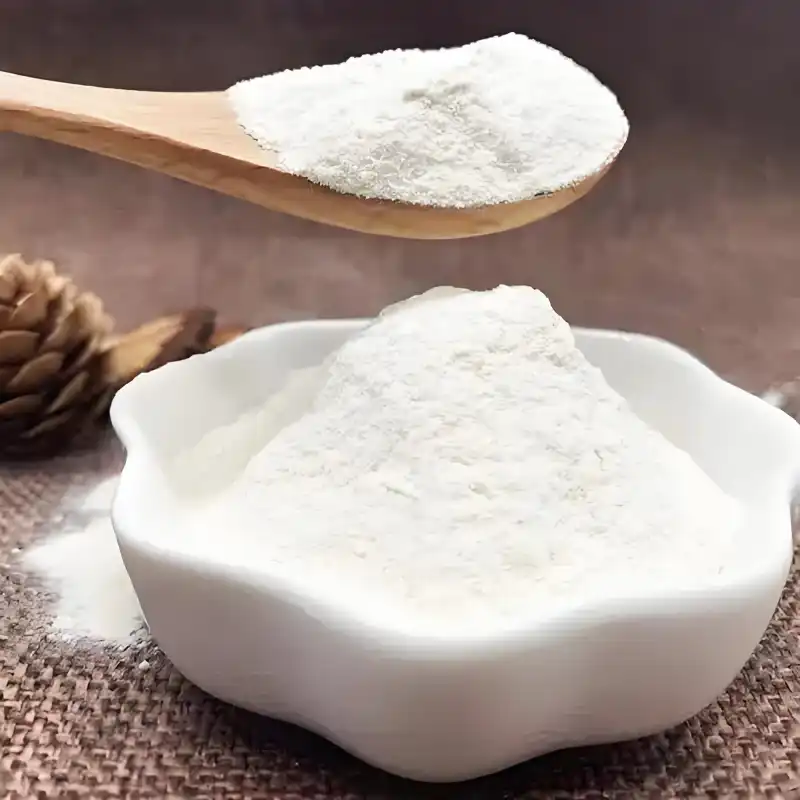
1. What is Chitosan and How is It Produced?
2. Key Properties Driving Chitosan’s Popularity
Biocompatibility & Biodegradability: It is safe for use in medical and pharmaceutical applications, as it is non-toxic, biodegradable, and compatible with living tissues.
Antimicrobial Activity: Chitosan naturally inhibits the growth of bacteria, fungi, and other microorganisms, making it ideal for antimicrobial coatings, food preservation, and wound care products.
Film-Forming Ability: It can form strong, flexible films, which are used in packaging materials, agricultural mulches, and drug delivery systems.
Adsorption Capacity: Chitosan effectively binds to heavy metals, dyes, and other contaminants, enabling its use in water treatment and environmental remediation.
3. Industrial Applications of Chitosan
3.1 Pharmaceutical and Medical
Drug Delivery: Chitosan-based nanoparticles and hydrogels act as carriers for targeted drug delivery, improving bioavailability and reducing side effects.
Wound Healing: Its antimicrobial and tissue-regenerative properties make it a key component in wound dressings, accelerating healing and preventing infections.
Tissue Engineering: Scaffolds made from chitosan support the growth of cells and tissues, aiding in the development of artificial organs and tissue repair therapies.
3.2 Food and Beverage
Food Preservation: As a natural preservative, chitosan extends the shelf life of fruits, vegetables, and seafood by inhibiting microbial growth.
Food Additive: It enhances the texture and nutritional profile of food products and can be used as a fat substitute.
Edible Coatings: Coatings made from chitosan protect food from moisture loss, oxidation, and microbial contamination.
3.3 Agriculture
Biopesticide and Fertilizer Carrier: Chitosan boosts plant immunity, reducing the need for chemical pesticides, and acts as a carrier for slow-release fertilizers.
Soil Amendment: It improves soil structure, water retention, and nutrient availability, promoting healthier plant growth.
3.4 Water Treatment
3.5 Textiles
Antimicrobial Finishes: Fabrics treated with chitosan resist odor, bacteria, and fungi, making them suitable for sportswear, medical textiles, and bedding.
Wrinkle Resistance: Chitosan coatings enhance the wrinkle resistance and durability of textiles.
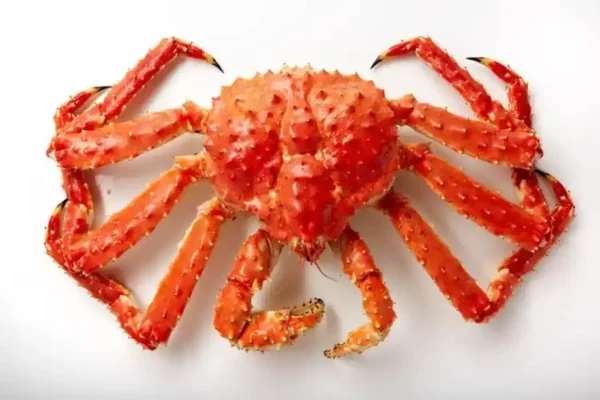
4. Why Choose Our Export-Grade Chitosan?
High Purity and Consistency: Our chitosan undergoes rigorous testing to ensure high purity, consistent quality, and adherence to international standards.
Customization Options: We offer chitosan with varying degrees of deacetylation, molecular weights, and particle sizes to meet specific application requirements.
Sustainable Sourcing: Committed to environmental responsibility, reducing industrial waste and carbon footprint.
Global Export Expertise: With years of experience in international trade, we navigate logistics, regulations, and certifications seamlessly, ensuring timely and hassle-free delivery to clients worldwide.