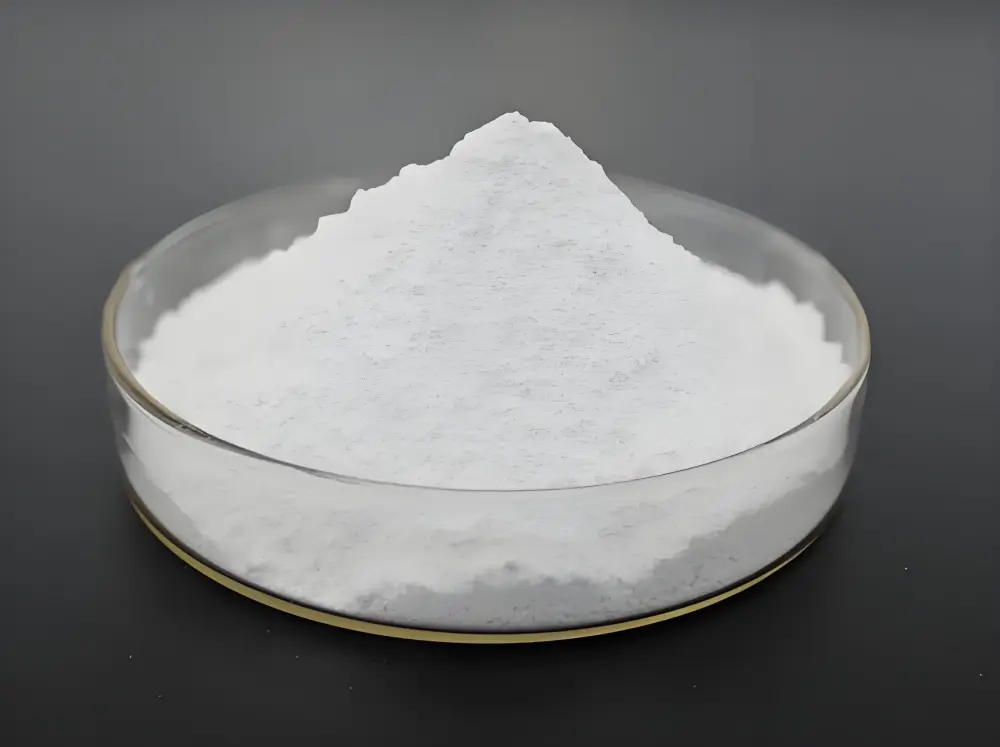
The global papermaking industry is at a crossroads. On one hand, the demand for high-quality paper products—from packaging materials to specialty printing paper—continues to rise with the growth of e-commerce and consumer goods sectors. On the other hand, manufacturers are grappling with pressing challenges: stricter environmental regulations, the need to reduce reliance on non-renewable additives, and the pressure to improve product performance while cutting production costs. In this context, a natural, versatile solution has emerged as a game-changer: paper-making grade chitosan.
The Papermaking Industry’s Hidden Pain Points: Why Traditional Additives Fall Short
For decades, papermakers have relied on synthetic additives like polyacrylamides and aluminum sulfate to enhance paper strength, retention, and drainage. While these chemicals deliver short-term results, they come with significant drawbacks that harm both the environment and long-term operational efficiency.
Synthetic additives often contain toxic components that leach into wastewater, leading to water pollution and costly treatment processes. Moreover, they tend to have poor compatibility with recycled pulp—a critical issue as the industry shifts toward sustainability and circular economy goals. Recycled fibers, which are increasingly used to reduce deforestation, have damaged surface structures and fewer functional groups, making it harder for synthetic additives to form stable bonds. This results in weaker paper, higher filler loss during production, and inconsistent quality.
Another major challenge is balancing paper performance with environmental impact. For example, achieving better water resistance traditionally requires petroleum-based coatings, which are non-biodegradable and contribute to carbon emissions. As consumers and regulatory bodies push for greener practices, papermakers need an additive that can meet performance standards without compromising sustainability.
Paper-Making Grade Chitosan: A Natural Solution to Industry Woes
Derived from chitin—the second most abundant natural polymer on Earth, found in crustacean shells (like shrimp and crab) and fungal cell walls—paper-making grade chitosan stands out for its unique combination of sustainability, compatibility, and functionality. Unlike synthetic alternatives, it is 100% biodegradable, non-toxic, and sourced from renewable waste streams (many chitosan producers repurpose seafood industry byproducts, reducing landfill waste).
What truly sets paper-making grade chitosan apart is its ability to address the industry’s core pain points through its molecular structure. Its amino (-NH₂) and hydroxyl (-OH) groups act as “bridges” between pulp fibers, even in recycled pulp. Unlike synthetic additives that only bind to specific fiber types, chitosan’s active groups form strong hydrogen bonds with both natural and recycled fibers, effectively repairing damaged fiber structures and boosting inter-fiber cohesion. This not only improves paper strength (including wet strength, critical for packaging and hygiene products) but also reduces filler loss—cutting raw material costs by up to 15% in some cases, according to industry studies.
Additionally, paper-making grade chitosan’s natural water-retention properties solve a common production bottleneck: premature drying of pulp. By adsorbing and retaining moisture on fiber surfaces, it ensures uniform drying, reduces paper warping, and improves surface smoothness. This is especially valuable for manufacturers producing high-gloss or coated papers, where surface quality directly impacts printability.

Real-World Applications: How Papermakers Are Leveraging Chitosan Today
Across the globe, forward-thinking papermakers are already integrating paper-making grade chitosan into their processes to drive innovation and sustainability. Here are two notable use cases:
1. Sustainable Packaging: Enhancing Strength Without Synthetic Coatings
A leading European packaging manufacturer specializing in eco-friendly cardboard boxes faced a dilemma: their recycled-pulp boxes lacked the wet strength needed to withstand shipping in humid conditions. Using synthetic coatings would negate their “zero-waste” branding, so they turned to paper-making grade chitosan. By adding a small percentage of chitosan to their pulp mixture, they increased the boxes’ wet strength by 30% and reduced filler loss by 12%. The result? A fully biodegradable package that meets international shipping standards, and a 10% reduction in production costs due to less material waste.
2. Specialty Printing Paper: Boosting Printability and Ink Fixation
A North American specialty paper producer focused on premium magazine and catalog paper struggled with ink smudging and poor print sharpness. Their traditional starch coatings were inconsistent, leading to customer complaints. They began using a chitosan-starch composite (a blend of paper-making grade chitosan and natural starch) for surface coating. The chitosan’s positive charge bonded with the anionic starch, creating a smoother, more uniform surface. Ink fixation improved by 25%, and the paper’s brightness increased by 5%—helping the producer win contracts with major publishing houses.
The Future of Papermaking: Why Chitosan Is Here to Stay
As the papermaking industry continues to prioritize sustainability and circularity, the demand for paper-making grade chitosan is set to grow exponentially. Market research firm Grand View Research projects that the global chitosan market for papermaking will expand at a CAGR of 8.2% between 2024 and 2030, driven by stricter environmental laws and the rise of recycled pulp usage.
Innovation in chitosan production is also fueling this growth. Manufacturers are developing modified chitosan variants tailored to specific papermaking needs—such as high-temperature-stable chitosan for tissue paper production, or low-molecular-weight chitosan for fine paper applications. These advancements are making paper-making grade chitosan even more versatile and cost-effective for small and large-scale papermakers alike.
Partnering for Success: Choosing the Right Paper-Making Grade Chitosan Supplier
While paper-making grade chitosan offers clear benefits, its performance depends on the quality of the product and the supplier’s technical expertise. When selecting a partner, look for manufacturers that:
Source raw materials sustainably (e.g., using seafood industry byproducts instead of virgin resources).
Offer customizable formulations to match your specific pulp type and production process.
Provide technical support to help integrate chitosan into your existing workflow (e.g., adjusting dosage or mixing parameters).
Have strict quality control systems to ensure consistency in purity and activity.
A reliable supplier will not only deliver high-quality paper-making grade chitosan but also work with you to optimize your production process, reduce costs, and achieve your sustainability goals.
In a world where environmental responsibility and product performance are no longer mutually exclusive, paper-making grade chitosan is proving to be more than just an additive—it’s a catalyst for a more sustainable, efficient papermaking industry. Whether you’re producing packaging, printing paper, or tissue, this natural solution has the potential to transform your operations and help you stay ahead in a competitive market. As a professional manufacturer and supplier of chitosan, Tianya Chemical provides high-quality, customizable products to support the global papermaking industry’s sustainability and efficiency goals. For reliable paper-making grade chitosan solutions, Tianya Chemical is your trusted partner.