Access to clean water is one of the most pressing global challenges of our time. Industries ranging from municipal wastewater management to food processing, textile manufacturing, and oil & gas face growing pressure to treat water efficiently—while reducing reliance on toxic, non-biodegradable chemicals. In this context, chitosan has emerged as a game-changing alternative: a natural, renewable biopolymer that delivers powerful water purification results without harming the environment. For businesses and municipalities seeking sustainable water treatment solutions, chitosan is no longer an “emerging option”—it’s a proven, cost-effective choice.
The Limitations of Traditional Water Treatment Chemicals
For decades, water treatment relied on synthetic chemicals like aluminum sulfate (alum), polyacrylamide (PAM), and ferric chloride to remove contaminants such as suspended solids, heavy metals, and organic matter. While these chemicals can clarify water in the short term, they come with significant drawbacks that conflict with modern sustainability goals:
- Environmental Harm: Synthetic flocculants and coagulants often leave toxic residues in treated water or generate sludge that’s difficult to dispose of (and non-biodegradable). For example, excess alum can leach aluminum into drinking water, posing health risks, while PAM derivatives may contain harmful monomers.
- High Sludge Volume: Traditional chemicals produce large amounts of sludge, increasing disposal costs and creating secondary waste management issues—especially for industries like textiles and mining.
- Limited Versatility: Many synthetic treatments are ineffective against specific contaminants (e.g., microplastics, heavy metals like lead or cadmium) or perform poorly in extreme pH conditions, requiring additional chemical adjustments.
As regulatory bodies (such as the EPA in the U.S. and the EU’s Water Framework Directive) tighten standards for water discharge and treatment byproducts, the need for safer, more flexible alternatives has never been greater.
Why Chitosan Is a Superior Choice for Water Treatment
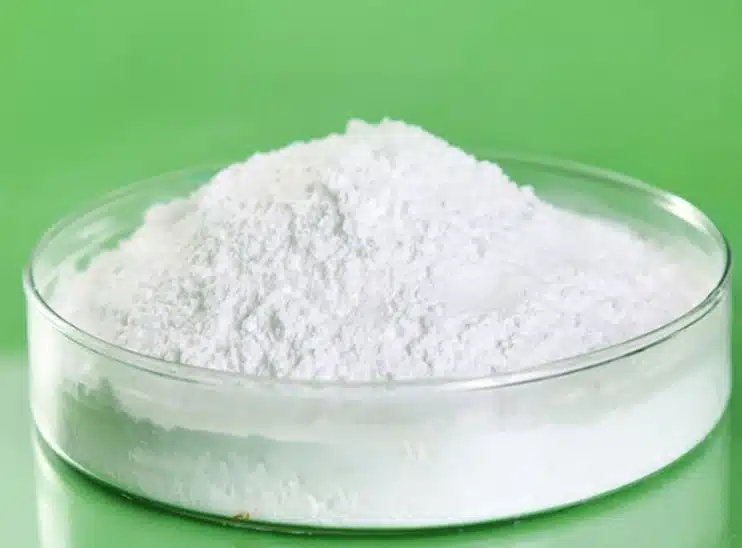
Derived from chitin—found in crustacean shells (shrimp, crab) and fungal cell walls—chitosan is a cationic biopolymer with unique properties that make it ideal for water purification. Unlike synthetic chemicals, it addresses the limitations of traditional treatments while delivering multiple benefits:
1. Natural and Biodegradable
Chitosan is 100% organic and breaks down into harmless compounds (glucosamine) in the environment. This eliminates the risk of toxic residues in treated water and reduces sludge volume by up to 40% compared to alum or PAM. For industries aiming to achieve “zero-waste” or eco-certifications (e.g., LEED, B Corp), chitosan aligns with sustainable practices.
2. Powerful Flocculation and Coagulation
Chitosan’s cationic charge (from amino groups in its molecular structure) attracts negatively charged contaminants in water—such as suspended solids, clay particles, algae, and organic dyes. It binds these contaminants into large, dense flocs that settle quickly or are easily filtered out. Studies show chitosan can remove up to 98% of suspended solids and 95% of organic matter in municipal wastewater, outperforming many synthetic coagulants.
3. Effective Heavy Metal Removal
Heavy metals (lead, mercury, cadmium, copper) are among the most dangerous water pollutants, yet traditional chemicals struggle to capture them. Chitosan’s amino and hydroxyl groups form strong chelating bonds with heavy metal ions, trapping them in flocs. This makes it ideal for industrial wastewater from mining, electronics manufacturing, and battery production—where heavy metal compliance is critical.
4. pH Tolerance and Versatility
Unlike alum, which works best in narrow pH ranges (6–8), chitosan performs effectively across a wide pH spectrum (5–11). This eliminates the need for costly pH adjustments, saving time and resources. It also works in both freshwater and saltwater applications, making it suitable for coastal municipalities and marine industries.
5. Cost-Effective in the Long Run
While chitosan may have a slightly higher upfront cost than synthetic chemicals, its lower sludge disposal costs, reduced need for additional treatments (e.g., pH adjusters), and compliance with environmental regulations translate to long-term savings. For example, a textile factory in Southeast Asia reported a 22% reduction in annual water treatment costs after switching to chitosan, due to lower sludge hauling fees and fewer regulatory fines.

Key Applications of Chitosan in Water Treatment
Chitosan’s versatility makes it suitable for nearly every water treatment scenario. Below are its most impactful uses across industries:
1. Municipal Wastewater Treatment
Municipalities use chitosan to clarify wastewater before discharge or reuse (e.g., for irrigation). It removes organic matter, algae, and suspended solids, reducing the load on secondary treatment systems (like activated sludge). In some cases, chitosan-treated water meets reuse standards without additional filtration—cutting energy costs for pumping and processing.
2. Industrial Wastewater Treatment
- Textile Industry: Dyes are a major pollutant in textile wastewater, and many synthetic treatments fail to remove them completely. Chitosan adsorbs synthetic dyes (e.g., reactive, direct, and acid dyes) with efficiency rates up to 99%, making it a go-to solution for eco-conscious textile manufacturers.
- Food & Beverage Industry: Chitosan clarifies process water (e.g., in brewing, juice production) by removing yeast, bacteria, and colloidal particles. It also reduces turbidity in wastewater, ensuring compliance with discharge limits.
- Mining & Metal Processing: As mentioned, chitosan captures heavy metals like lead, zinc, and arsenic from mining runoff. It’s also used to treat acid mine drainage (AMD), a highly acidic wastewater stream that harms aquatic ecosystems.
3. Drinking Water Purification
In regions where access to clean drinking water is limited, chitosan offers a low-cost, portable solution. It can be used in small-scale filtration systems to remove turbidity, bacteria (e.g., E. coli), and even some viruses—providing safe drinking water without toxic byproducts.
4. Oil & Gas Wastewater Treatment
Oil spills and produced water (from oil drilling) contain hydrocarbons and heavy metals that are difficult to treat. Chitosan’s ability to bind both organic and inorganic contaminants makes it effective for separating oil from water and removing toxic metals from produced water—enabling safe discharge or reuse in drilling operations.
How to Choose the Right Chitosan for Water Treatment
Not all chitosan products are created equal. To maximize effectiveness, consider these factors when selecting a chitosan supplier:
- Deacetylation Degree (DD): DD refers to the percentage of amino groups in chitosan. For water treatment, a DD of 75–90% is ideal—higher DD means more cationic charge, better flocculation, and stronger heavy metal binding.
- Molecular Weight: Low to medium molecular weight chitosan (50kDa–300kDa) dissolves easily and forms smaller, denser flocs, while high molecular weight chitosan (500kDa+) is better for capturing large suspended solids.
- Purity: Look for chitosan with minimal heavy metal contamination (≤1ppm) and no additives, especially for drinking water or food industry applications.
- Supplier Expertise: Choose a supplier with experience in water treatment—they can recommend the right chitosan grade and dosage for your specific needs (e.g., textile vs. municipal wastewater).
The Future of Chitosan in Water Treatment
As the world faces worsening water scarcity and stricter environmental regulations, chitosan’s role in water treatment will only grow. Innovations like modified chitosan (e.g., chitosan nanoparticles, chitosan composites with activated carbon) are already improving its efficiency—for example, nanoparticles can remove microplastics and pharmaceuticals that traditional chitosan misses.
For businesses and municipalities, adopting chitosan isn’t just an environmental choice—it’s a strategic one. It reduces costs, ensures regulatory compliance, and positions organizations as leaders in sustainability.
Partner with a Trusted Chitosan Supplier for Water Treatment
Whether you’re treating municipal wastewater, industrial runoff, or drinking water, the right chitosan product is key to success. As a leading chitosan manufacturer, we offer high-purity chitosan tailored to water treatment applications—with customizable DD, molecular weight, and particle size. Our team provides technical support to help you optimize dosage and integrate chitosan into your existing processes, ensuring maximum efficiency and cost savings.
Ready to switch to a natural, effective water treatment solution? Learn more about our chitosan for water treatment or contact us today and consultation.