Chitosan is a natural biopolymer with excellent biocompatibility and biodegradability, making it widely used in the environmental field. Chitosan films, characterized by high water permeability and selective adsorption, have been extensively applied in water treatment and environmental pollution control. Tianya Chemical provides high-quality chitosan, a reliable raw material for producing high-performance chitosan films tailored to diverse water treatment needs. This article will introduce the preparation methods of chitosan films and their applications in water treatment.
Preparation Methods of Chitosan Films
1. Solution Casting Method: Pour the chitosan solution onto a flat glass substrate, and form a chitosan film through natural drying or oven drying. This method is simple and easy to operate, suitable for preparing relatively thick chitosan films.
2. Coating Method: First, coat the chitosan solution on substrates such as glass or polystyrene, then form a chitosan film through drying or chemical cross-linking. The films prepared by this method are thin, uniform, and have good controllability.
3. Chemical Cross-Linking Method: Chitosan films can be formed by reacting with cross-linking agents (such as glutaraldehyde, ethylene glycol, etc.). This method can improve the stability and mechanical strength of chitosan films, suitable for preparing films requiring durability.
4. Evaporation Deposition Method: By evaporating the chitosan solution in a vacuum environment, the chitosan in the solution forms a film. The films prepared by this method have high purity and crystallinity, suitable for chitosan films requiring high purity.
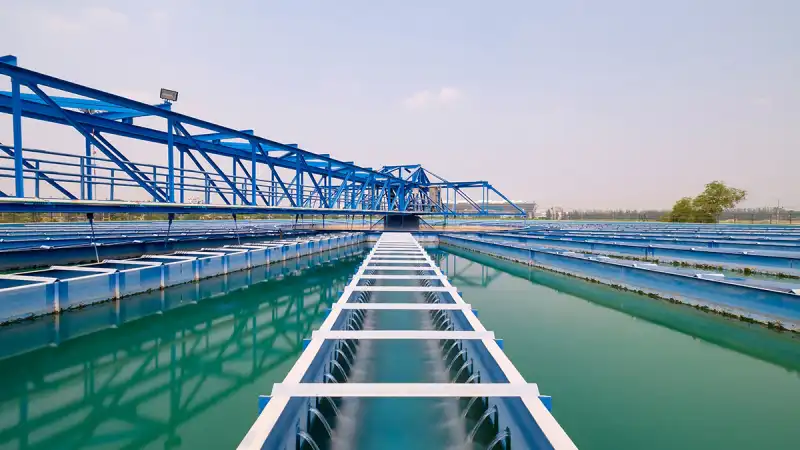
Applications of Chitosan Films in Water Treatment
1. Water Filtration: Chitosan films, with narrow pore size and high water permeability, can be used as microfiltration or ultrafiltration membranes in water treatment, effectively removing suspended solids, colloids, and microorganisms from water.
2. Water Separation: Chitosan films can be used for the separation of dissolved substances in water, such as the separation of organic and inorganic substances, and the adsorption and removal of heavy metal ions.
3. Water Purification: The unique structure and charge properties of chitosan films enable them to adsorb and remove harmful substances in water, such as heavy metals and organic pollutants, thereby achieving the purpose of water purification.
4. Water Resource Recovery: Chitosan films can be used for water resource recovery and reuse, playing an important role in treating domestic sewage, industrial wastewater, and agricultural irrigation water.
5. Water Analysis: Chitosan films can be used for the detection and analysis of trace elements in water, detecting the content and types of trace elements in water through adsorption and leaching methods.
Advantages and Prospects of Chitosan Films
1. Environmental Friendliness: Chitosan is a natural biopolymer with good biocompatibility and biodegradability, which will not pollute the environment.
2. High Selectivity: Chitosan films have high selective adsorption, which can selectively adsorb different types of pollutants, improving the efficiency of water treatment.
3. Recyclability: Chitosan films can be regenerated and reused to extend their service life and reduce costs.
4. Multifunctionality: Chitosan films can be chemically modified according to needs to enhance their adsorption capacity and anti-pollution ability.