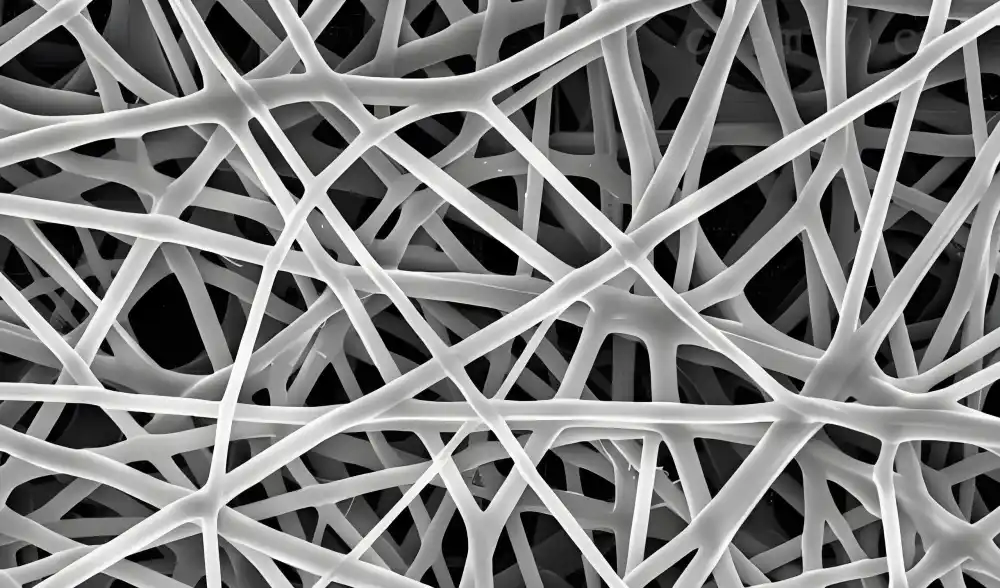
In the tobacco industry, reconstituted tobacco sheets play a crucial role in cigarette production. They optimize the utilization of tobacco raw materials, standardize product quality, and facilitate the development of low-tar, low-harm cigarettes. However, manufacturers often face challenges such as poor sheet formability, insufficient mechanical strength, and difficulty in reducing harmful substances. Chitosan is used in tobacco sheet, as a natural, biodegradable polysaccharide, chitosan not only addresses the core pain points in reconstituted tobacco sheet production but also aligns with the global tobacco industry’s trend toward safer and more sustainable development.
What Are Reconstituted Tobacco Sheets, and Why Are Additives Needed?
Reconstituted tobacco sheets are uniform sheet-like materials made from processed tobacco by-products. They are widely used in cigarettes, with key functions including:
- Reducing raw material waste;
- Controlling tar and nicotine levels;
- Ensuring consistency in taste and burning rate across production batches.
To achieve these goals, additives are essential. Traditional additives often have limitations: some improve formability but lack harm-reduction capabilities, while others offer harm-reduction effects but fail to guarantee forming quality. Chitosan, however, stands out for its multi-functional advantages—it enhances formability, adsorbs harmful substances, and ensures natural safety, making it a versatile solution for modern reconstituted tobacco sheet production.

3 Advantages of Chitosan in Reconstituted Tobacco Sheets
Chitosan’s unique molecular structure enables it to target and solve key challenges in reconstituted tobacco sheet manufacturing. Below are its most impactful benefits:
1. Enhances Formability and Mechanical Strength
A major issue with reconstituted tobacco sheets is poor cohesion—sheets tend to crack during processing and may burn unevenly. Chitosan acts as a natural binder that “bridges” tobacco particles:
- The amino groups in its molecular structure form hydrogen bonds with cellulose and pectin in tobacco, creating a more stable structural network;
- Adding chitosan increases the tensile strength of sheets and reduces breakage rates during production;
- Unlike synthetic binders, chitosan does not affect the porosity of sheets—this ensures a normal burning rate and avoids the problem of “hot smoke”.
For manufacturers, this translates to fewer production defects, higher yield, and lower costs associated with waste.
2. Reduces Harmful Substances
Global tobacco regulations impose increasingly strict requirements on the content of harmful compounds in cigarettes. Chitosan’s adsorption capacity makes it a highly effective tool for harm reduction:
- Tar and nicotine control: In the slightly acidic environment of tobacco, the amino groups in chitosan become protonated, which bind to tar-forming compounds and nicotine. Gas chromatography tests confirm that this reduces the release of harmful substances during combustion;
- Heavy metal removal: Tobacco by-products often contain trace heavy metals. Chitosan’s chelating properties “trap” these metal ions, preventing their transfer to the final cigarette product. Studies show that chitosan can reduce heavy metal content in reconstituted tobacco sheets.
This advantage helps manufacturers comply with strict regulatory standards while meeting consumer demand for safer tobacco products.
3. Ensures Natural Safety and Biodegradability
Sustainability and safety are top priorities in the current tobacco industry, and chitosan satisfies both requirements:
- Renewable source: Derived from shrimp and crab shells, it serves as an eco-friendly alternative to petroleum-based synthetic additives;
- Biodegradability: Unused reconstituted tobacco sheets or production waste containing chitosan decomposes naturally, reducing environmental impact;
- Safety certification: Granted status by the FDA, meaning it poses no health risks when used in tobacco products.
4 Best Practices for Using Chitosan in Reconstituted Tobacco Sheets
To maximize the effectiveness of chitosan, follow these industry-validated guidelines:
- Choose the right chitosan grade: Prioritize acid-soluble chitosan. This grade balances solubility and binding strength. Avoid chitosan, as it may not dissolve completely and compromise performance;
- Control the addition amount: The optimal dosage is based on the weight of tobacco raw materials. Exceeding may make sheets too stiff, affecting burning rate; doses below will not provide sufficient binding force;
- Ensure thorough mixing: First dissolve chitosan in a dilute acetic acid solution, then add the solution to the tobacco slurry. Stir to ensure uniform dispersion—this prevents clumping and guarantees consistent sheet quality;
- Conduct compatibility tests: Perform small-batch trials to assess how chitosan interacts with your specific tobacco formulation. Adjust process parameters accordingly to achieve optimal results.
Why Chitosan Is the Future of Additives for Reconstituted Tobacco Sheets
As the tobacco industry shifts toward sustainability, harm reduction, and regulatory compliance, chitosan offers a unique combination of functionality and safety that traditional additives cannot match. Its ability to enhance forming quality, reduce harmful substances, and support eco-friendly production makes it an indispensable material for manufacturers seeking to stay competitive.
Whether you are developing low-tar cigarettes, optimizing raw material utilization, or meeting global safety standards, chitosan can improve the quality of your reconstituted tobacco sheets while keeping costs manageable.
Want to learn more about how our chitosan products can support your reconstituted tobacco sheet production? Contact Tianya Chemical for a customized quote and technical support!