Chitosan is a natural polysaccharide, mainly composed of α-chitosan and β-chitosan. According to their sources and structural characteristics, chitosan can be classified into the following categories:
Animal-derived chitosan: Extracted from the shells and carapaces of crustaceans as raw materials, such as shrimp, crabs, shellfish, etc.
Plant-derived chitosan: Extracted from the shells and cellulose of some plants as raw materials, such as fruit peels, wood, etc.
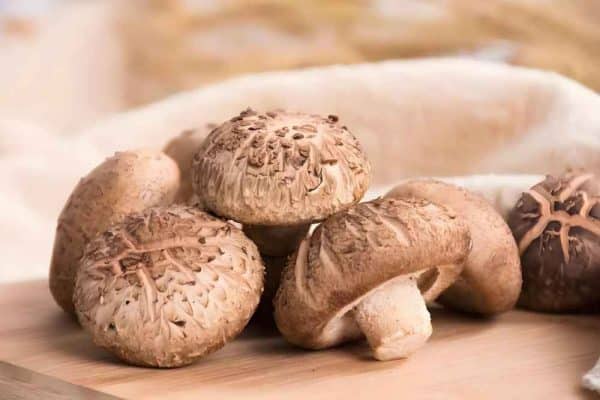
Fungal-derived chitosan: Extracted from fungal cultures, such as fungi and molds.
Insect-derived chitosan: Such as silkworm pupae, beeswax, etc.
In addition, chitosan can also be classified according to different chemical modification methods, such as deacetylation, methylation, sulfation, etc. These modifications will change the physicochemical properties and functions of chitosan, endowing it with different application values.
In general, the classification of chitosan is mainly based on their sources and chemical modification methods. Each type of chitosan has its specific characteristics and application fields.