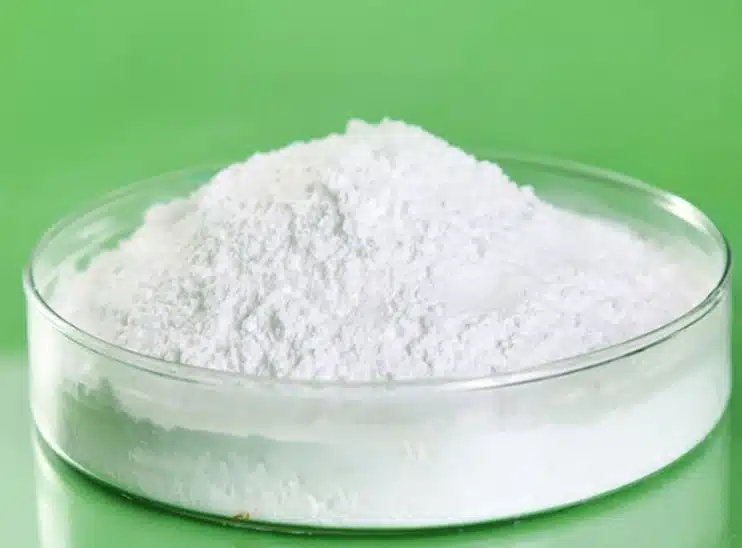
Chitosan membranes are functional membrane materials fabricated from chitosan—a natural polymer derived from the deacetylation of chitin. Leveraging chitosan’s inherent biocompatibility, degradability, and unique chemical structure, combined with the controllable morphology of membranes, they exhibit excellent application potential across multiple fields and have emerged as one of the research and industrialization hotspots in natural polymer materials in recent years.
Characteristics of Chitosan Membranes
The advantages of chitosan membranes stem from the dual properties of their raw material and structure, with four core highlights summarized as follows:
1.Outstanding Biosafety
As a natural polysaccharide derivative, chitosan membranes are non-toxic, non-irritating, and highly compatible with human tissues (e.g., skin, mucous membranes) and cells. They support cell adhesion and proliferation, and can be gradually degraded into small-molecule carbohydrates by chitosanase and lysozyme in organisms. Eventually, these degradation products participate in the ecological carbon-nitrogen cycle, leaving no residual pollution.
2. Strong Chemical Tunability
The main chain of chitosan contains a large number of hydroxyl groups (-OH) and amino groups (-NH₂). Through cross-linking, graft modification, or composite formation, the hydrophilicity, mechanical strength, acid resistance, and antibacterial properties of the membrane can be regulated to meet the requirements of different scenarios.
3. Controllable Physical Properties
By adjusting the preparation process, membrane structures ranging from dense to porous can be obtained: dense membranes are suitable for barrier and separation scenarios, while porous membranes, due to their high specific surface area, are more conducive to substance penetration, adsorption, or cell colonization.
4. Natural Antibacterial Activity
The positive charge of chitosan molecules can interact with the negative charge on the cell membranes of microorganisms, disrupting the membrane structure and inhibiting microbial metabolism. Therefore, both pure and modified chitosan membranes exhibit significant inhibitory effects on common pathogenic bacteria such as Escherichia coli and Staphylococcus aureus, without the need for additional chemical antibacterial agents.
Typical Application Fields of Chitosan Membranes
Based on the aforementioned characteristics, chitosan membranes have achieved industrial application in three core fields: biomedicine, environmental protection, and the food industry. Specific scenarios are as follows:
1. Biomedical Field
Wound Dressings: Porous chitosan membranes can absorb wound exudate and maintain a moist environment, while preventing infection through their antibacterial properties. Their degradability eliminates the problem of “secondary dressing change damaging newly formed tissue” associated with traditional dressings, making them particularly suitable for the healing of chronic wounds and burn wounds.
Drug Carriers and Controlled-Release Membranes: By loading drugs into chitosan membranes, long-acting and targeted drug release at lesion sites is achieved through the slow degradation or permeation of the membrane, reducing medication frequency and side effects. This application is commonly seen in dosage forms such as oral mucosal patches and skin patches.
Tissue Engineering Scaffolds: Porous chitosan membranes can serve as “temporary scaffolds” for skin, cartilage, and bone tissues, guiding the ordered growth of cells and tissue regeneration. Currently, they have entered the clinical trial stage in skin substitutes and bone repair materials.
Medical Barrier Membranes: Dense chitosan membranes can be used as anti-adhesion membranes during surgery and guided tissue regeneration membranes after oral implantation. Their biosafety and barrier performance are superior to those of some synthetic polymer membranes.
2. Environmental Protection Field
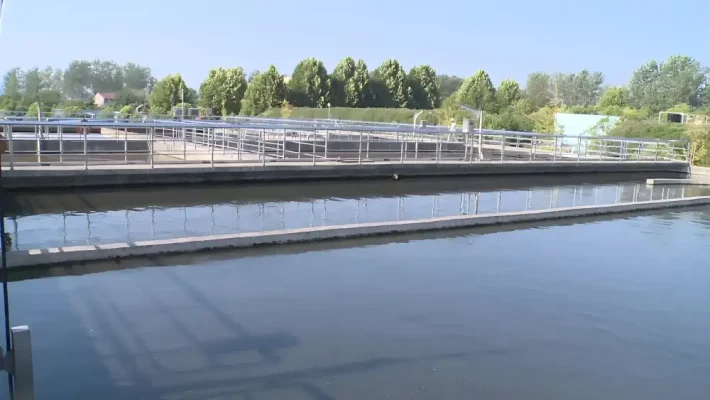
Water Treatment Membranes
Adsorptive Chitosan Membranes: These membranes utilize the chelating effect of amino and hydroxyl groups on heavy metal ions to treat industrial wastewater. They can also adsorb dyes and organic substances in water, and after adsorption, they can be regenerated via acid washing to reduce treatment costs.
Filtration and Separation Membranes: Modified chitosan ultrafiltration membranes can be used for drinking water purification and food wastewater purification. Their biodegradability avoids the “waste pollution” problem associated with traditional synthetic membranes.
Air Purification Membranes: Porous chitosan membranes can be loaded with activated carbon or photocatalysts to adsorb formaldehyde and TVOC (total volatile organic compounds) in the air, or degrade pollutants through photocatalysis. They are suitable for use in indoor air purification filters.
3. Food Industry Field
Food Preservation Packaging Membranes: Chitosan membranes can be coated on the surface of paper or plastic packaging, or made into independent edible membranes. Their antibacterial properties inhibit the growth of microorganisms on food surfaces, while reducing water evaporation and oxygen permeation to extend the shelf life of food.
Food Separation Membranes: In fruit juice processing, chitosan ultrafiltration membranes can remove pectin and suspended particles from juice to improve clarity. In dairy processing, they can be used for separating whey protein and lactose. The membrane material is safe, residue-free, and complies with food-grade standards.