Chitosan is the product of deacetylation of chitin, and it is the most basic and important derivative of chitin. Chitin, also known as chitine, has the chemical name (1,4)-2-acetamido-2-deoxy-β-D-glucan. It mainly exists in the exoskeletons of animals such as shrimps, crabs, pupae and insects, as well as in the cell walls of fungi and algae. The dry exoskeletons of arthropods contain about 20-50% chitin. There are three structures of chitin in nature: α, β, and γ, among which the α-type is the most common and ordinary. The annual biosynthesis of chitin on the earth is billions of tons, making it the natural polymer compound with the output second only to cellulose.
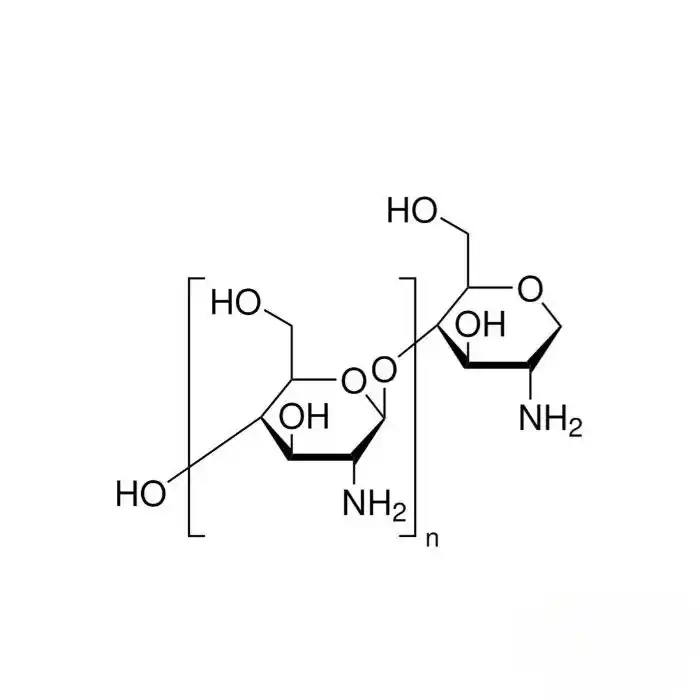
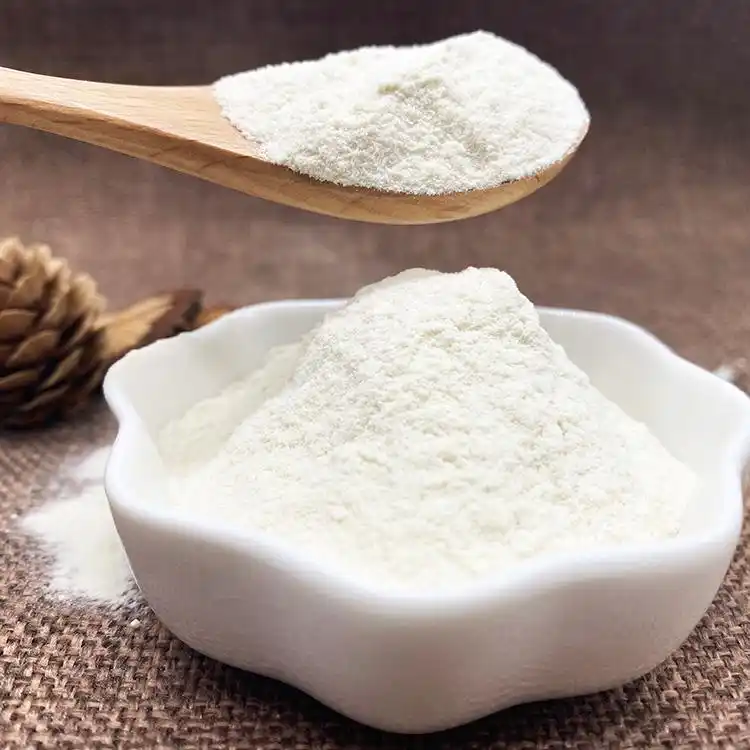
Pure chitin and chitosan are both white flaky or powdery solids with a specific gravity of 0.3, and can exist stably at room temperature. There are strong hydrogen bond interactions between chitin molecules, which make chitin form a highly crystalline structure, thus making chitin molecules highly insoluble. Chitin is insoluble in water, most organic solvents, dilute acids and dilute or concentrated alkalis, and only soluble in concentrated acids and certain solvents. The active group of chitosan molecules is amino instead of acetyl, so its chemical properties and solubility are better than those of chitin. It can be dissolved in dilute acids, formic acid and acetic acid, but is also insoluble in water and most organic solvents. Due to the relatively active amino and hydroxyl groups, chitosan is more chemically active than chitin and can undergo various chemical reactions, such as alkylation and acylation reactions.
Tianya Chemical specializes in providing high-quality chitosan, leveraging its understanding of chitosan’s structural properties to meet diverse industry needs with reliable, consistent products.